I was five years old when the sheer scale of the cosmos first fractured my reality.
Evenings in Delhi meant climbing to the terrace, holding my father's hand in the winter dark. Mold climbed the walls. Rebar showed through where the plaster had surrendered. The cold air biting my face as I stared through the thick city smog to find the faint, enduring light of constellations.
As the vapor of my breath rose into the dark, I extended my tiny fingers to trace the arc of Dhanush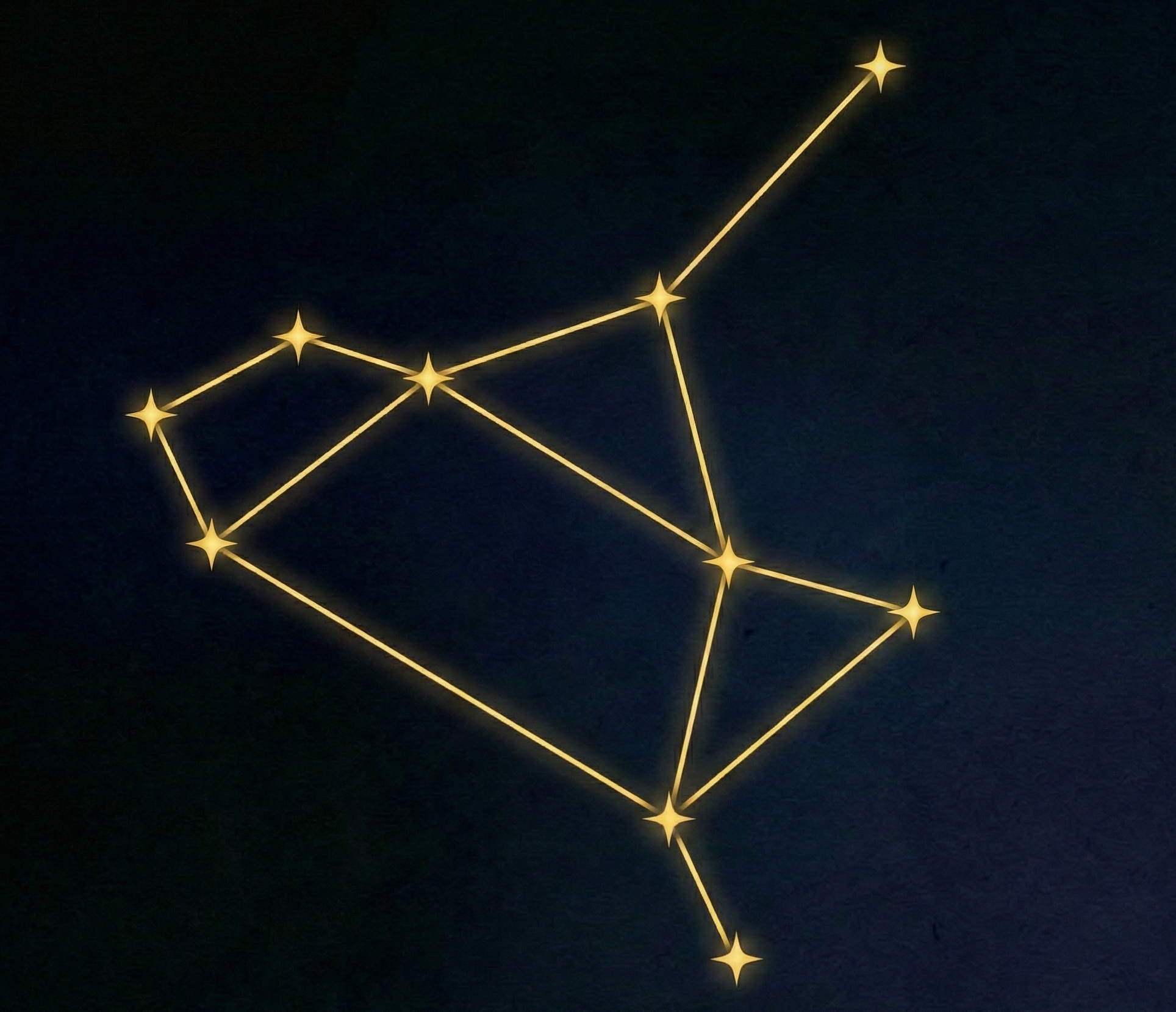 Dhanush (The Bow), the Sanskrit name for Sagittarius.: The Bow. To me, they were just shapes, games of connect-the-dots played against the smog. Then he told me what they actually were. Not points of light but furnaces. Engines larger than anything I could hold in my tiny hands, burning across distances that made our terrace, our city and our planet into a rounding error.
I don’t remember what I said but I never forgot the feeling: that the world had just become significantly more interesting, and significantly more urgent.
At fifteen, I finished a Sanskrit exam an hour early and sat waiting for permission to leave. Perfect score on one of the oldest languages in the world. Outside, the Delhi heatwave pressed against the windows.
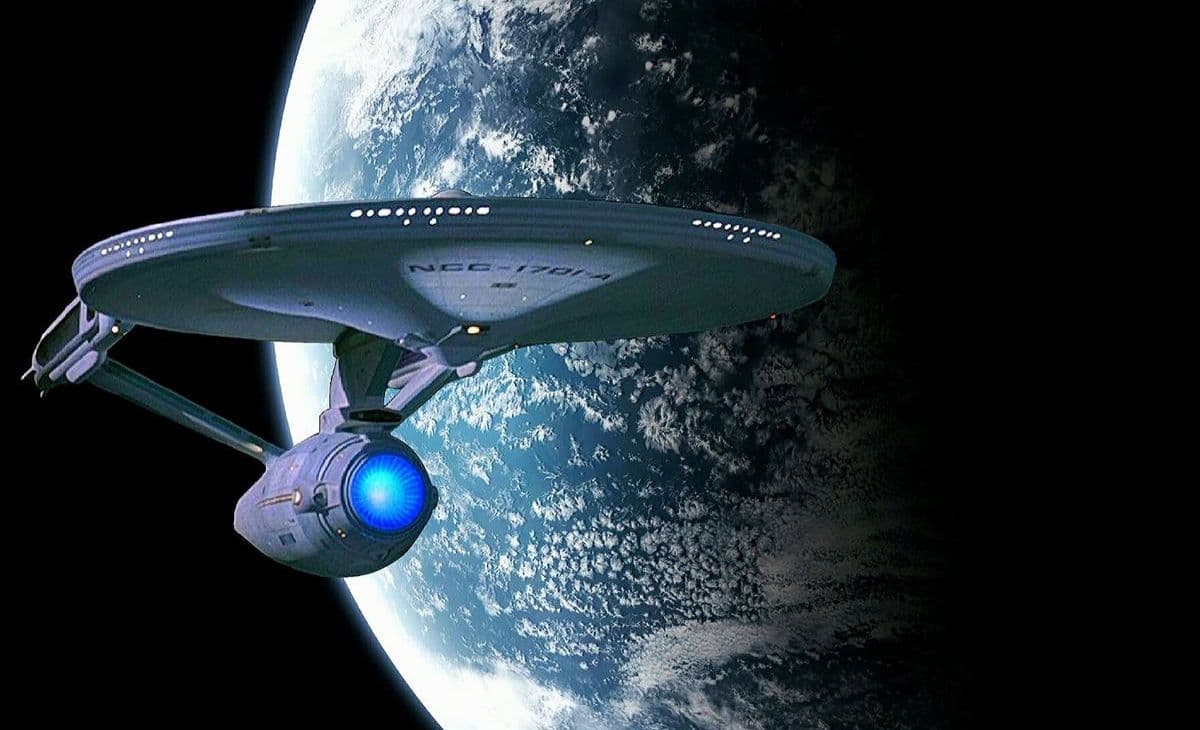
My heart was racing—not from the test, but from the realization crystallizing inside me. I was optimizing for a game that would never take me where I wanted to go. I had spent my childhood watching Star Trek, dreaming that if I just played along—aced the exams, won the olympiads, collected the accolades—the path would eventually deliver me to the frontier. To the place where humanity actually pushed against the unknown.
In that exam room, waiting for a teacher to collect a paper that would mean nothing in 10 years, I understood: the path didn't exist. The system wasn't a bridge to the stars. It was a holding pattern. I stopped being a passenger that day.
At nineteen, my body betrayed me. A mysterious illness. Years of antibiotics, restrictions, profound weakness. I watched my undergraduate years slip away. I vomited blood. The physics dreams I had carried since that terrace receded into abstraction: something that happened to other people, in other lives.
When surgeons finally removed a small obstruction from my intestines at twenty-three, they gave me my life back. But they also exposed something I couldn't unsee: biological systems are staggeringly complex, and our frameworks for understanding them are trapped in antiquity.
I lost years. I lost the fearlessness I had as a child—the version of me that would try the craziest problems possible and believe I could escape anything. I lost blind hope.
But I gained something else. For the first time, I saw the world from outside the system. I saw what the golden children racing toward shiny accolades could not see: that the machinery itself was broken. That the bridges between human potential and the problems that actually matter do not exist.
Someone has to build them.